
From TR-069 ACS to TR-369 USP
What changes, what does not, and how to move without breaking the network
TR-369 (USP) is the Broadband Forum's replacement for TR-069 (CWMP). It keeps the same device data model and changes almost everything around it: how devices connect, who is allowed to manage them, how they report events.
Nobody switches a live network over in a weekend. Realistically you will run both protocols for years. We have built an ACS and a USP controller, so we have seen this from both ends, and this page is our honest summary of what the move involves.
What actually changes
The data model stays
USP uses the same TR-181 Device:2 model as TR-069. Your parameter names, objects and profiles carry over unchanged. This is the single fact that makes a gradual migration possible.
One device, several controllers
In CWMP a device answers to one ACS. In USP the device runs an agent that can be managed by several controllers, each with its own permissions. The operator, the device vendor and a third-party service can all manage the same box without sharing credentials.
Brokers instead of SOAP sessions
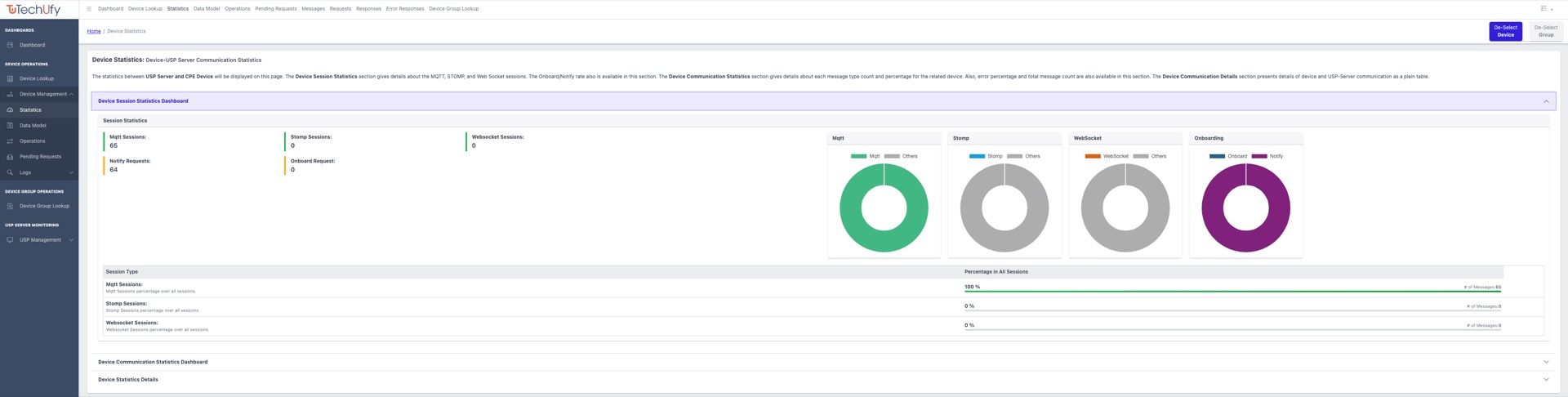
CWMP devices open an HTTP session, exchange SOAP, and hang up. USP agents hold a connection to an MQTT, STOMP or WebSocket endpoint and exchange Protocol Buffers over it. Sending a command to a device no longer means waiting for its next inform.
Devices tell you things
An agent sends a Notify when a value changes, an event fires or an operation finishes. Bulk data collection is built into the standard. You stop polling and start listening.
Permissions live on the device
USP records can be signed and encrypted end to end regardless of transport, and the agent enforces role-based permissions per controller. A misconfigured controller cannot reach parameters it was not granted.
Where we come in

We look at what you have
Device models, firmware roadmap, what talks to the ACS today, how support and provisioning actually work. Then we write down which device groups can move when, and which will stay on TR-069 until they are retired.

Both protocols, one operations team
The USP controller uses the same TR-181 model as your ACS, so the people and scripts that manage devices today do not have to learn two vocabularies while both systems run.

Rewiring the integrations
Whatever calls your ACS now (provisioning, CRM, monitoring, the support portal) needs to call the controller too. REST, Kafka and Camunda cover most cases; we have done the rest before.

How it usually goes
Find out
Which device models can run a USP agent, which firmware versions, what the ACS is wired to, and which daily operations must not break.
Pilot
A controller install, a few hundred devices, the first two or three integrations. Enough to find the surprises cheaply.
Run both
New devices and upgraded firmware go to USP. Everything else stays on the ACS. This phase lasts as long as your oldest device does.
Turn the ACS off
When the last fleet is on USP. Usually a quieter day than anyone expected.
If you are not sure which step you are on, that is normal. Our ACS and USP consultants can do the first step with you in a couple of weeks.